Business Name: BeeHive Homes of Andrews
Address: 2512 NW Mustang Dr, Andrews, TX 79714
Phone: (432) 217-0123
BeeHive Homes of Andrews
Beehive Homes of Andrews assisted living care is ideal for those who value their independence but require help with some of the activities of daily living. Residents enjoy 24-hour support, private bedrooms with baths, medication monitoring, home-cooked meals, housekeeping and laundry services, social activities and outings, and daily physical and mental exercise opportunities. Beehive Homes memory care services accommodates the growing number of seniors affected by memory loss and dementia. Beehive Homes offers respite (short-term) care for your loved one should the need arise. Whether help is needed after a surgery or illness, for vacation coverage, or just a break from the routine, respite care provides you peace of mind for any length of stay.
2512 NW Mustang Dr, Andrews, TX 79714
Business Hours
Monday thru Sunday: 9:00am to 5:00pm
Facebook: https://www.facebook.com/BeeHiveHomesofAndrews
YouTube: https://www.youtube.com/@WelcomeHomeBeeHiveHomes
Moving a moms and dad from the home they love right into assisted living is one of those decisions that rests heavy on the heart. It mixes logistics with emotion, money with safety and security, memory with identification. Households rarely really feel completely ready. Yet with solidity, excellent details, and a respectful procedure, the transition can shield dignity and relieve the everyday work for everyone involved.
What triggers the move
Most households arrive at assisted living after a string of smaller sized minutes: the pot left on the range, the duplicated autumn that "was nothing," the shed pillbox, the accounts payable, or the sluggish retreat from friends and hobbies. Occasionally the tipping point is useful, like a partner that has actually constantly been the caregiver establishing health issues. Occasionally it is clinical, like a medical diagnosis of moderate cognitive impairment or early Alzheimer's. The most effective time to strategy is prior to a situation, while your parent can weigh trade-offs and reveal preferences.
Assisted living rests between independent living and nursing homes. It brings aid with daily tasks such as bathing, dressing, medication monitoring, meal prep work, and home cleaning. Also, lots of communities now provide tiered services, so a person might begin with minimal aid and add more in time. Memory treatment is a much more safeguarded atmosphere developed for individuals with dementia that require organized routines, safe and secure spaces, and specialized staff training. The line between these setups is not always sharp. A moms and dad with early-stage memory loss might do well in assisted living with cueing and mild oversight, while another may be safer in devoted memory treatment because wandering or anxiety has already surfaced.
The conversation that constructs trust
Talking with a parent about leaving home is not one chat, it is a collection. The tone matters greater than the script. Go for interest and regard, not persuasion. You can lead with shared objectives: security that does not really feel like jail time, self-respect that does not depend on secrecy, a life that still supplies choice and connection.

One child I dealt with, a pharmacologist, wanted her mother to relocate promptly after a medicine mix-up. Her mom, a retired teacher, really felt evaluated. We stopped briefly and reset. Over tea, they made a simple checklist of what each desired. The little girl wished to stop being afraid late-night phone calls. The mom intended to keep her yard and her publication club. That grounded the search. They located a community with increased yard beds, a little library, and a van that still took her to the Thursday team. The adjustment no more felt like surrender.
If cash or inheritance anxiousness are in the mix, call them. Privacy breeds suspicion. If you are the power of lawyer, describe what that duty does and does not cover. Welcome brother or sisters to a joint conversation. Moms and dads, also those with memory problem, pick up on tension fast.
Understanding degrees of treatment without the sales gloss
Marketing brochures can obscure the difference between settings. Assume in terms of function and danger. Mobility, continence, cognition, and complex medical needs drive the ideal fit. Neighborhoods will certainly perform an evaluation. You ought to do your own.
I like the "Tuesday early morning" test. Picture a regular Tuesday at 10 a.m. in your home. Is your moms and dad out of bed, dressed, and eating? Are medicines taken correctly? Could they take care of a little trouble like a tripped breaker? Suppose the phone rings with a scammer? If the solution involves several cautions, helped living may add real value. If memory gaps develop security dangers, memory care for moms and dads may be the safer track, also if that seems like a bigger step.
Staffing proportions matter. Assisted living often runs between 1 team member to 12 to 18 locals throughout the day, often looser in the evening. Memory care usually tightens that, typically 1 to 6 to 10, once more relying on the hour. Ask what those ratios look like across changes, not simply on tours. Ask that passes medicines, what training they get, and how frequently they freshen it. In memory care, inquire about de-escalation training, the use of nonpharmacologic techniques, and exactly how the group tracks triggers for agitation.
The financial reality, without euphemism
Costs differ by area and by what is consisted of. In many metro areas, base helped living runs from regarding $3,500 to $7,500 monthly. Memory care typically adds $1,000 to $2,500 due to staffing and security. Some communities price quote all-inclusive rates, others note a base price plus a la carte costs like drug monitoring, incontinence products, transfer support, or transportation. Monthly expenses can rise as care needs increase, so ask how they identify level-of-care adjustments and how often they reassess.
Most aided living is personal pay. Traditional Medicare does not cover room and board. It might cover medically needed services like therapy. Long-term treatment insurance coverage can help if the policy exists and standards are satisfied. Experts may get approved for Aid and Attendance. Medicaid waivers can cover assisted living or memory treatment in some states, commonly with waitlists and center limitations. Do not assume protection. Collect papers, call the insurer, and demand advantages in composing. If funds are tight, timing issues. A few months of home care while looking for advantages can connect the void, yet just if safety and security continues to be manageable.
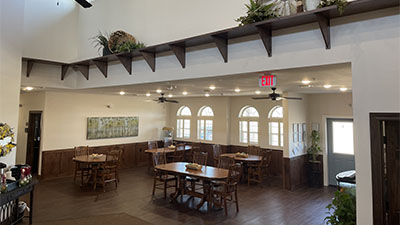

Touring like a skeptic, choosing like a boy or daughter
On trips, take note of little facts. Follow your nose. A consistent odor can indicate inadequate continence treatment or housekeeping understaffing. Enjoy the communication in between team and residents. Do names come quickly? Does the tone audio human? 2 smiling supervisors can not balance out a staff culture that is rushed or dismissive.
Visit at different times. Mid-morning on a weekday looks various than after dinner on a weekend break. Drop by unannounced. Ask to see a studio area that is not the presented design. Eat a meal. If your moms and dad has dietary limitations, see just how the kitchen area handles them. Take a look at the task schedule, then stray to where those tasks apparently happen. Are they happening? Are individuals involved or being in a circle with the TV blaring?
If your parent may require memory care now or soon, scenic tour both aided living and memory care on the very same school. Contrast the feel. In excellent memory care, the atmosphere reduces clutter and sound, supplies meaningful tasks, and permits safe motion. Doors are safe and secure, yet staff do not herd residents. Ask exactly how the team manages exit-seeking, sundowning, and rest reversal. Ask whether families can embellish doors, just how wayfinding jobs, exactly how they track hydration, and just how they prevent medical facility transfers for small issues.
Building the treatment strategy before the move
A thoughtful strategy begins with your parent's background. Collect a drug list with doses and timing. Include over-the-counter supplements and as-needed medications. Bring the latest doctor notes, advancement directives, and contact info for specialists. If your parent makes use of a CPAP, listening to help, or a walker, checklist design numbers and back-up supplies.
Then explore routines. When do they wake, wash, and eat? Do they like coffee prior to talking? Which radio station reduces anxiety? What foods do they stay clear of? Which toiletries do they favor? A little information like favorite soap can ground an individual in a brand-new space.
Share warnings and what jobs. "Daddy snaps if entered the morning; he does better if shaving waits till after morning meal." "Mommy hums when nervous; hand massage therapy and 50s music calm her." For memory treatment citizens, these notes matter. Staffing is commonly adequate for safety and security yet thin for deep customization unless households provide a roadmap.
Preparing the brand-new home so it feels like theirs
People seldom prosper in a blank, echoing studio with a brand-new bed and common art. Bring the chair that already fits their back. Bring the patchwork from the foot of the bed, the family members photos, the clock they can read during the night, the lamp with the cozy glow. If the storage room overwhelms, set out only the existing period's clothes and revolve later. Label every little thing inconspicuously. Memory care environments are communal, and preferred sweaters migrate.
Watch for trip hazards. Area rugs and extension cords pose dangers. Pick a nightlight that brightens, not impresses. Prepare furniture to produce clear courses from bed to restroom. In memory treatment, miss anything delicate or hefty. Instead, use products that welcome risk-free fidgeting, like textured coverings or a basket of scarves.
The step day: choreography over chaos
Moving day is not the right time for a discussion. Aim for tranquility, clear messages and a straightforward plan. If your parent has problem with memory, stay clear of large declarations. A mild "We are going to your new location where lunch prepares and your room is set up" can be enough.
Bring a little bag that first day: medicines if requested, glasses, listening to help with battery chargers, dentures with labeled case, a favored sweater, the present book, and essential documents. Get here before lunch if possible. Food breaks tension, and the afternoon allows personnel to develop some knowledge before night.
Families usually ask whether to stay all the time or keep it short. Tailor it. Some moms and dads work out far better after a long handoff, especially if anxiousness climbs later. Others do much better if farewells are cozy however not extracted. Ask personnel for suggestions. After that trust your read of your parent.
The initially weeks: expect a wobble
Even tactical transitions really feel rough. Sleep might be off. Appetite may dip. You might hear complaints, sometimes sharp ones. Pay attention for fads rather than reacting per spike. A pattern of skipped showers or missed out on medicines deserves activity. One completely dry chicken breast at supper does not.
During these weeks, see at various times. Catch a morning meal when, a task another time, a silent evening check out later. Bring normal life with you. Fold washing with each other. Check out a picture cd. Stroll the hallways and call the paintings. If your moms and dad deals with dementia, repetition conveniences. Acquainted tracks can anchor a new space.
If your moms and dad returns home with you for a weekend break right now, re-entry can backfire. Many people do better with a couple of weeks to resolve in the past overnight visits. Short outings, like a favored park drive and an ice cream, satisfy link without scrambling the new routine.
Working with the treatment team, not versus it
The finest results originate from a true partnership. Find out the names of the aides. They are the ones in the room for the unpleasant, genuine parts of life. If you praise them when they do something right, it acquires goodwill for the challenging days. If there is an issue, bring it to the fee nurse with specifics. "Mommy's morning pills were still in her mug twice this week" beats "Treatment is slipping."
Care plans are living records. Most neighborhoods hold an official conference 30 to 45 days after move-in, after that quarterly. Program up. Bring 2 or three concerns, not a shopping list. If individual care times feel incorrect, review choices. Some neighborhoods supply flexible routines; others run on tight staffing patterns. If urinary incontinence monitoring appears responsive, inquire about positive toileting or various products. If your parent declines showers, settle on strategies that protect self-respect, like evening sponge baths and hair-care days in the salon.
Families in some cases watch memory care as surrendering. It is not. It is an older care specialty. Staff discover to translate behavior as interaction. A person who begins pacing at 3 p.m. might need a treat with healthy protein or a brief walk outside to reset. An individual who resists treatment might be cool, embarrassed, or suffering rather than "persistent." Excellent memory care lowers sedating medications by utilizing framework, engagement, and mild redirection. If you see a fast push to medicate rather, ask what non-drug actions were tried initially and for how long.
Avoiding typical pitfalls
The most constant mistakes originate from easy to understand impulses. Households hurry to load the schedule to prevent solitude. Homeowners obtain ill-used and resort to their spaces, and after that team think they are "not joiners." Better to pick one or two acquainted activities and construct from there. One more risk is micromanagement. Hovering can undercut your moms and dad's connection with personnel. Go back simply sufficient to ensure that your moms and dad learns to ask the aides for assistance and team discover your moms and dad's rhythms.
Money shocks create animosity. If level-of-care costs change, you should receive a created notification defining why. Push for clearness. At the exact same time, accept that needs can heighten. If your moms and dad moves from stand-by help in the shower to complete hands-on help, boost are linked to real staffing time.
Finally, watch for caretaker regret shifting into critical perfectionism. No area will duplicate home precisely. The standard is risk-free, tidy, considerate, and involved, not flawless. If your moms and dad's face softens when a preferred aide walks in, if the room smells like their cold cream, if they are out at the mid-day songs group two times a week, you are most likely on the ideal track.
When memory care comes to be the appropriate next step
A moms and dad may begin in assisted living and later need memory care. Indicators consist of exit-seeking, duplicated elopement attempts, enhanced frustration in the late mid-day, rejection of care that runs the risk of health or skin break down, and hazardous actions like leaving water running. Straying can be deadly in winter months or near web traffic. When these threats emerge, a protected memory care atmosphere that still feels cozy is a gift, not a downgrade.
Look for programs that utilize constant staffing, since familiar faces minimize anxiety. Inquire about meaningful interaction, not just "tasks." Folding towels, arranging buttons by color, sprinkling plants, or setting tables can be calming due to the fact that these simulate long-lasting jobs. Ask how they include citizens' histories. A retired technician could relax with a box of risk-free, tidy devices to sort. A previous teacher could react to a tiny white boards and a pretend "lesson strategy" group.
Families in some cases be reluctant since memory care costs extra. Take into consideration the hidden costs of staying in aided living with exclusive sitters or frequent health center trips. A well-run memory care program often reduces those dilemmas, which protects dignity and may balance family members tension and finances over time.
A caretaker's tale that reveals the arc
A couple I dealt with, both in their late seventies, had been each various other's safety net for fifty-six years. He prepared and took care of the driving; she maintained the calendar, prescriptions, and social life humming. When he had a stroke, her light cognitive decline suddenly mattered. Tablets were missed. Their daughter located the oven on two times. After a family members talk, they selected a two-bedroom system in assisted living so they can stay together. The initial month was rocky. He felt viewed. She was shamed by needing assistance. The personnel social worker inquired to name three things they wanted to keep. He chose his Sunday spaghetti routine, she chose her early morning coffee on a terrace and their Thursday card video game. The team constructed around those. The community allowed him prepare sauce in the demo cooking area every Sunday with guidance. She had coffee beforehand the patio. Cards occurred once a week with neighbors. Three months in, they felt steadier than they had in a year. He later on transferred to memory treatment on the very same school when his confusion strengthened, and she still walked down daily for lunch. The action really felt challenging and loving at the exact same time.
How to prepare as a family
- Gather lawful and clinical records in a single binder or shared digital folder: power of attorney, healthcare proxy, development regulation, medication listing, allergies, current laboratory results, insurance coverage cards, and contact details for physicians. Decide who manages which duties: a single person for finances, an additional for consultations, an additional for check outs. Place dedications in contacting stop resentment and gaps. Set an interaction rhythm with the neighborhood: a fast once a week check-in by e-mail, plus presence at treatment meetings. Select your top two concerns so messages stay actionable. Agree on a visiting cadence and design that sustains settling. Early on, shorter and extra frequent visits typically work much better than long, irregular marathons. Create a "Personal Account" one-pager about your parent: favored name, history, suches as, disapproval, daily regimens, relaxing strategies, and any type of sets off to prevent. Give duplicates to the care team.
Measuring whether it is working
The right setting will not eliminate every worry. It will certainly transform the pattern of fear. Rather than being afraid that an autumn in your home will go unnoticed, you may concentrate on whether the mid-day task is a real draw. That is progression. Great indicators consist of a steadier mood, fewer emergency calls, weight that holds or boosts, cleaner laundry, a space that looks resided in as opposed to miserable, and discusses of details staff by name. Red flags consist of duplicated missed out on medications, unexplained contusions, unanswered messages to the nurse, or a clear inequality in between assured and provided care.
Do not neglect your very own health and wellness in the equation. Numerous grown-up kids feel their shoulders decrease in the weeks after the move, often after months or years of hypervigilance. This alleviation can carry regret. It ought to not. Relocating to assisted living or memory care for parents is commonly what enables you to be the son or daughter once again instead of a frequently pressed caretaker. That duty shift is not desertion, it is wisdom.
Practical notes regarding agreements and move-outs
Read the residency contract with a pen. Clear up notification durations, rate rise caps, pet policies, and what occurs if a local is momentarily hospitalized. Some areas hold a system for a restricted time without charging full rental fee, others do not. Ask about furniture disposal if a quick move-out comes to be needed after a change in problem. Talk about end-of-life choices early. If hospice pertains to the neighborhood, where will care take place? Lots of assisted living and memory care programs companion well with hospice, allowing a resident to remain in location as opposed to move again.
When staying at home still makes sense
Assisted living is not always the right solution. If a moms and dad has a solid assistance network in the house, is risk-free with modest help, and treasures control greater than convenience, home care might be the better path. Run the numbers honestly. Daytime home treatment in lots of locations costs $25 to $40 per hour. At four hours a day, 5 days a week, that amounts to approximately $2,000 to $3,200 each month, plus lease or real estate tax, utilities, food, maintenance, and the intangible expense of sychronisation and oversight. If nights are high-risk, include more. Contrast that to the all-in month-to-month rate of assisted living, which includes dishes, housekeeping, and tasks. Families often discover they are already paying for assisted living bit-by-bit without the built-in safety and security net.
A brief step-by-step to decrease the stress
- Start speaking early, structure objectives together, and name concerns aloud so they do not drive choices in the dark. Do functional evaluations at home, then visit numerous neighborhoods at various times, asking tough inquiries regarding staffing, training, and real-life routines. Map financial resources with eyes open, consisting of most likely care-level increases, and confirm any type of advantages qualification in writing. Prepare the brand-new room with familiar products, share a thorough personal account with team, and time the step for topmost calmness, ideally prior to a crisis. Visit with intent in the very first month, partner with the treatment group, adjust expectations, and expect clear signals that the setting is helping or needs reevaluation.
The core truth that steadies the hand
This adjustment is about trading a breakable kind of self-reliance for assisted living a tougher sort of support. Self-respect lives in both places. The appropriate assisted living or memory treatment setting does not remove sorrow for what is altering, however it can restore what matters most: safety without seclusion, assistance without humiliation, and days that still have form, objective, and little satisfaction. If you hold your parent's tale at the facility, and if you maintain appearing with humbleness and perseverance, the transition can be smoother than you fear and kinder than you visualize. That is the genuine promise of thoughtful senior care, and it is within reach.
BeeHive Homes of Andrews provides assisted living care
BeeHive Homes of Andrews provides memory care services
BeeHive Homes of Andrews provides respite care services
BeeHive Homes of Andrews supports assistance with bathing and grooming
BeeHive Homes of Andrews offers private bedrooms with private bathrooms
BeeHive Homes of Andrews provides medication monitoring and documentation
BeeHive Homes of Andrews serves dietitian-approved meals
BeeHive Homes of Andrews provides housekeeping services
BeeHive Homes of Andrews provides laundry services
BeeHive Homes of Andrews offers community dining and social engagement activities
BeeHive Homes of Andrews features life enrichment activities
BeeHive Homes of Andrews supports personal care assistance during meals and daily routines
BeeHive Homes of Andrews promotes frequent physical and mental exercise opportunities
BeeHive Homes of Andrews provides a home-like residential environment
BeeHive Homes of Andrews creates customized care plans as residents’ needs change
BeeHive Homes of Andrews assesses individual resident care needs
BeeHive Homes of Andrews accepts private pay and long-term care insurance
BeeHive Homes of Andrews assists qualified veterans with Aid and Attendance benefits
BeeHive Homes of Andrews encourages meaningful resident-to-staff relationships
BeeHive Homes of Andrews delivers compassionate, attentive senior care focused on dignity and comfort
BeeHive Homes of Andrews has a phone number of (432) 217-0123
BeeHive Homes of Andrews has an address of 2512 NW Mustang Dr, Andrews, TX 79714
BeeHive Homes of Andrews has a website https://beehivehomes.com/locations/andrews/
BeeHive Homes of Andrews has Google Maps listing https://maps.app.goo.gl/VnRdErfKxDRfnU8f8
BeeHive Homes of Andrews has Facebook page https://www.facebook.com/BeeHiveHomesofAndrews
BeeHive Homes of Andrews has an YouTube page https://www.youtube.com/@WelcomeHomeBeeHiveHomes
BeeHive Homes of Andrews won Top Assisted Living Homes 2025
BeeHive Homes of Andrews earned Best Customer Service Award 2024
BeeHive Homes of Andrews placed 1st for Senior Living Communities 2025
People Also Ask about BeeHive Homes of Andrews
What is BeeHive Homes of Andrews Living monthly room rate?
The rate depends on the level of care that is needed. We do an initial evaluation for each potential resident to determine the level of care needed. The monthly rate is based on this evaluation. There are no hidden costs or fees
Can residents stay in BeeHive Homes until the end of their life?
Usually yes. There are exceptions, such as when there are safety issues with the resident, or they need 24 hour skilled nursing services
Do we have a nurse on staff?
No, but each BeeHive Home has a consulting Nurse available 24 – 7. if nursing services are needed, a doctor can order home health to come into the home
What are BeeHive Homes’ visiting hours?
Visiting hours are adjusted to accommodate the families and the resident’s needs… just not too early or too late
Do we have couple’s rooms available?
Yes, each home has rooms designed to accommodate couples. Please ask about the availability of these rooms
Where is BeeHive Homes of Andrews located?
BeeHive Homes of Andrews is conveniently located at 2512 NW Mustang Dr, Andrews, TX 79714. You can easily find directions on Google Maps or call at (432) 217-0123 Monday through Sunday 9:00am to 5:00pm
How can I contact BeeHive Homes of Andrews?
You can contact BeeHive Homes of Andrews by phone at: (432) 217-0123, visit their website at https://beehivehomes.com/locations/andrews/, or connect on social media via Facebook or YouTube
You might take a short drive to the Legacy Park Museum. The Legacy Park Museum offers local history and cultural exhibits that create an engaging yet comfortable outing for assisted living, memory care, senior care, elderly care, and respite care residents.